

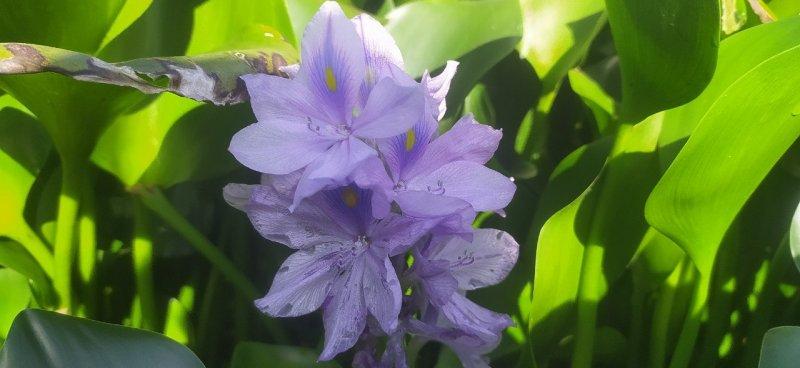
What if one of the Nile’s most harmful invasive plants could become part of the solution to water pollution? This research explores the transformation of water hyacinth — a fast-growing aquatic weed known for damaging ecosystems and blocking sunlight in waterways — into an effective, low-cost adsorbent for wastewater treatment.
Collected from the Nile River in Egypt, water hyacinths were chemically activated using different acids and tested for their ability to remove harmful dyes from contaminated water. The results were highly promising: sulfuric acid activation achieved dye removal efficiencies exceeding 90% for both methylene blue and ponceau S dyes, outperforming traditional materials such as rubber and wood.
The study highlights the potential of converting an environmental threat into a sustainable resource while supporting cleaner water systems and circular economy practices. By combining environmental engineering with innovative waste valorization, this research demonstrates how nature-inspired solutions can contribute to more sustainable industrial and environmental practices.
2_Valorization of water hyacinth for different engineering applications