

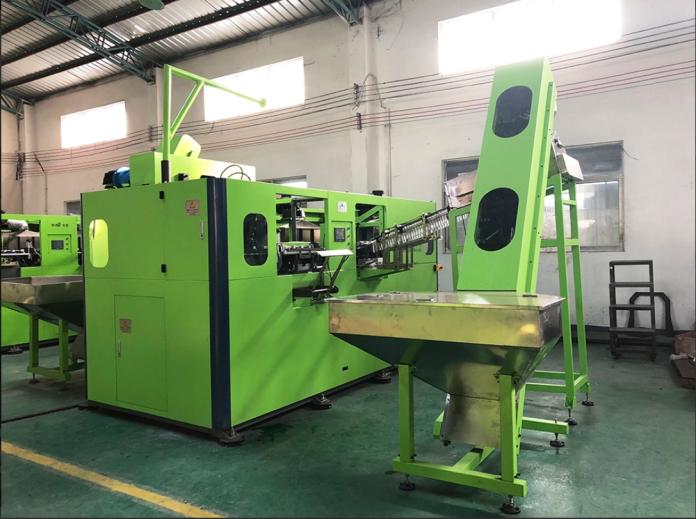
As industries worldwide seek more sustainable production methods, this research demonstrates how artificial intelligence, process optimization, and employee engagement can work together to significantly reduce industrial energy consumption. Conducted within a cooking oil manufacturing facility, the study focused on improving energy efficiency during the energy-intensive blowing stage of production.
Researchers introduced a preform preheating strategy during colder months and tested multiple pressure and heating duration combinations using Design of Experiments (DOE) methodology. The optimal settings — 34 bar pressure and 10 hours of heating — achieved an effective balance between energy savings and product quality.
The study also integrated six AI forecasting models to predict energy consumption trends, with Support Vector Machines (SVM) delivering the highest forecasting accuracy. In parallel, employee energy-awareness assessments highlighted the importance of workforce engagement and targeted training in improving operational efficiency.
By combining process improvements, AI-driven analytics, and behavioral awareness, the project achieved approximately 20% energy savings and annual cost reductions exceeding $2 million, demonstrating the transformative potential of smart and sustainable manufacturing practices.
This study investigates how artificial intelligence, process optimization, and employee engagement can reduce energy consumption in a cooking oil manufacturing facility. The research focused on the energy-intensive blowing stage, where consumption increased significantly during colder months due to low PET preform temperatures. To improve efficiency, preforms were preheated before production, while different pressure and heating-duration combinations were tested using Design of Experiments (DOE). The optimal condition — 34 bar pressure with 10 hours of heating — provided the best balance between energy savings and product quality.
The study also evaluated six AI forecasting models to predict energy consumption trends, with Support Vector Machines (SVM) achieving the highest accuracy and lowest error rates. In addition, employee energy-awareness surveys highlighted the importance of workforce training and supervision in supporting sustainability goals. Collectively, the findings demonstrated around 20% energy savings and annual cost reductions exceeding $2 million, showcasing the potential of integrating AI, process engineering, and behavioral strategies in sustainable manufacturing.